WHO TO QUOTE
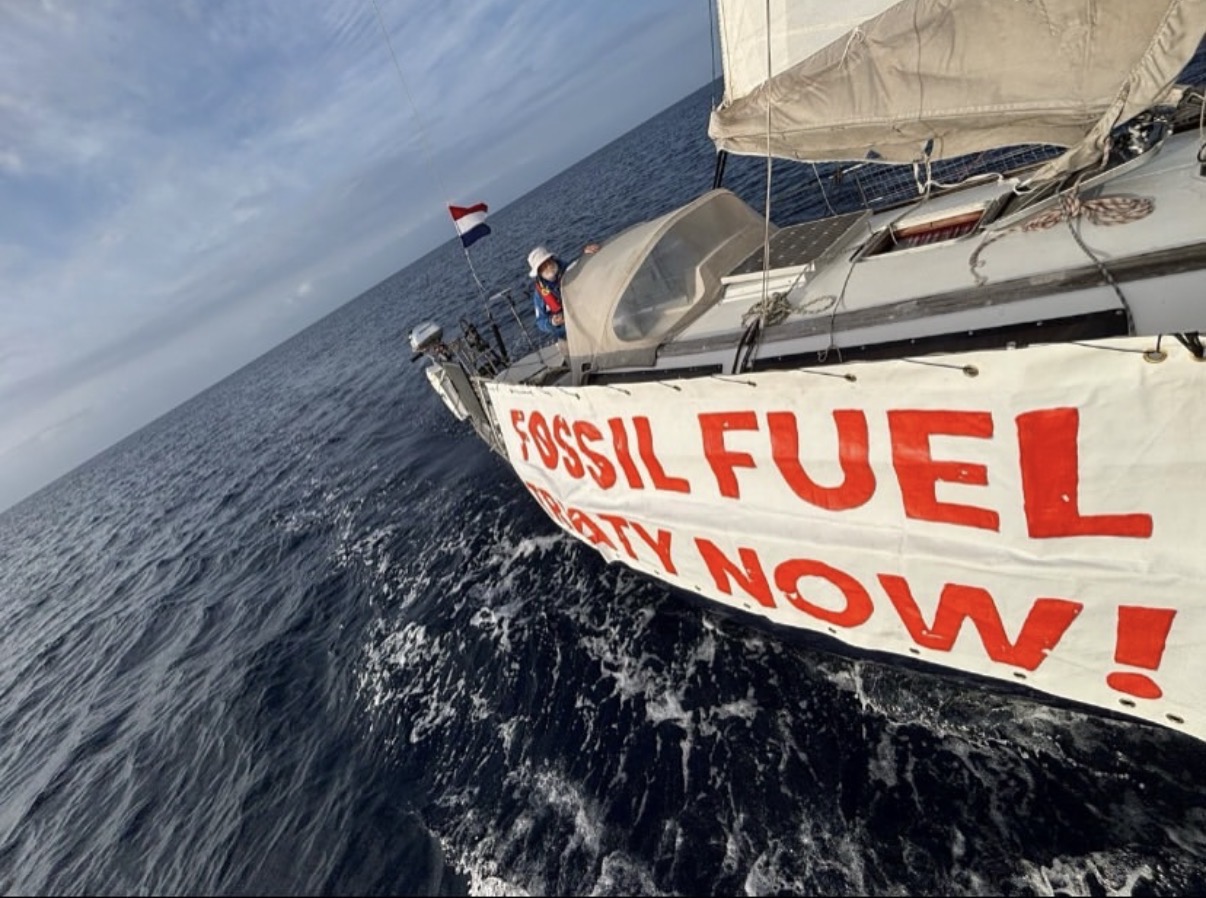
Top lines from experts and frontline voices on the ground: - Mar Faciolince Martina, Colombian-Curaçaoan anthropologist and activist, member of the Climate Justice Flotilla: “The Caribbean requires historical climate reparations in the face of continued colonial climate injustices. The crisis facing these islands did not appear naturally, they are a result of centuries of imposed fossil fuel dependency. Many islands depend on fossil fuel power desalination to access water, food systems rely almost completely on imports, energy is extremely expensive, polluting and often controlled by external actors, there are debt and governance structures that undermine sovereignty and democratic decision making. And the contradiction is very stark: while the Netherlands is currently co-organising this conference, it announced only two weeks ago that it will appeal the landmark court ruling won by residents of Bonaire, which recognises that the Dutch government failed to protect its citizens against climate impacts. That's why concrete, binding climate reparations - not rhetoric - are absolutely necessary.”
- Luene Karipuna, Executive Coordinator of the Association of Indigenous Organizations of Amapa & Northern Para (APOIAP) in the Brazilian Amazon, Brazil: “One of our greatest pains is when you look at your territory and feel fear, of losing the river where you learned to swim, where your grandfather taught you to fish, that future generations won't be able to experience what you experienced. What these oil and mining companies take from us is immeasurable. When they tell us ‘there's financial compensation for this’, we know that no money in the world can pay for the spirit of the territory or the lives we've lost. We came here to show the way, the answer lies in our territories, this is the greatest science for any energy transition. Energy transition cannot happen without our bodies and our territories.”
- Susana Muhamad, Special Envoy to the Fossil Fuel Treaty, and Former Minister of Environment and Sustainable Development of Colombia: “Cultures have been built around our differences and the diversity of nature. And we need all the experiences of the people who live on this planet, all the diversity, to find answers for the future. Therefore, in diversity and in the construction of popular movements and the power of the people lies the answer to combating current authoritarianism, and from there, I am sure that we can build resistance and overcome adversity.”
- Yuvelis Natalia Morales Blanco, Member of the Alianza Colombia Libre de Fracking, and 2026 Goldman Prize Winner: “We need energy justice, gender justice, the communities demand it. If we have to claim this every time an extractive project arrives in our territories, something is very wrong. These projects arrive, massacre, murder, and then leave. We need women to be free, the rivers to flow freely, but these projects do the complete opposite. We talk about the future because we deserve it. This is no small matter. We live in a world increasingly condemned to global decline. We talk about a new world because we deserve it, we are doing everything possible to seek it. Global geopolitics seems to be talking only about the past, while we, in the territories, want to design the possible future. Do you realize where we are? At the first conference on fossil fuels, in Colombia, an oil-producing country. We are here because we imagined it, and we are making it real. No world is possible if we continue extracting from the earth every day. We will be the generation that will, one way or another, manage to break free from fossil fuel dependency. It's not easy, but we will succeed.”
- Gregorio Mirabal, Climate Change and Biodiversity Coordinator of the Coordination of Indigenous Organizations of the Amazon Basin (COICA): “Scientific studies and the concerns of Indigenous Peoples have converged to the point of no return. If we continue to allow legal or illegal extractive economic activities, we are condemning ourselves to extinction. What is the value of standing trees? What is the value of the Amazon's drinking water? Because it seems this discussion is generally framed from an economic perspective (by those who defend oil). They tell us that oil is worth more, generates more wealth (than the forest), but if the discussion is economic, then we should also consider the water, the food the Amazon provides, and the entire source of life that the Amazon represents for Indigenous peoples and the world.”
|
|
|
|